

13548 Jarrettsville Pike | Phoenix, MD 21131 410.683.0650
  • facebook
  • twitter
  • youtube
  • pinterest
  • rss

Archive for the ‘ Brick ’ Category

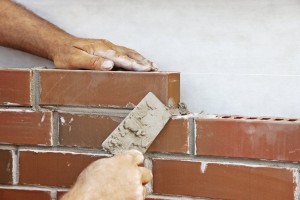
The Process of Repairing and Repointing a Wall

Wednesday, January 31st, 2018
The Process of Repairing and Repointing a Wall

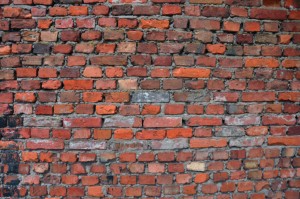
Whenever you have a wall that needs a little tender loving care (or mortar), it’s time to call in a repointing expert.

Repointing a brick wall is a straightforward process, but without the right supplies and process, it’s not all that easy at all! Whenever you have a wall that needs a little tender loving care (or mortar), it’s time to call in a repointing expert. Here’s what you need to know about repairing and repointing a wall. (more…)

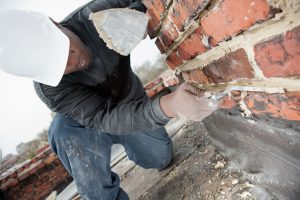
How We Cut and Replace Brick Joints

Friday, January 26th, 2018
Brick Joints

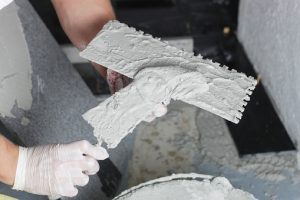
Masonry specialists can cut and replace brick joints professionally.

Sometimes, even though you take care of the brick around your home or business, repairs need to be done. In fact, one of the most common repairs is repointing brick joints where mortar disintegrates or around loose or cracked bricks. Letting damaged or eroded mortar go unrepaired can cause a whole host of problems, mostly from water damage that can impact your interior wall if your home’s exterior is brick. Repointing your bricks can extend the life of your home siding, patio, stairs, or walls and here is how the job gets done right: (more…)

Surface Treatments for Brick

Friday, October 27th, 2017
Surface Treatments for Brick

The brick walls outside of your home or business set your building apart with timeless appeal.

The brick walls outside of your home or business set your building apart with timeless appeal. There are many different surface treatments available that can help to further customize your brick. Here are some of our favorite surface treatments for brick. (more…)

The Basics of Repointing a Wall

Friday, September 22nd, 2017
The Basics of Repointing a Wall

The quality of the mortar surrounding your masonry has a direct effect on the stability and longevity of the bricks, so repointing is an essential part of brick wall maintenance.

At some point, every commercial and residential building with beautiful exterior masonry will need to be repointed. Repointing is the process of replacing the mortar in between bricks and prevents the building from water damage. The quality of the mortar surrounding your masonry has a direct effect on the stability and longevity of the bricks, so repointing is an essential part of brick wall maintenance. (more…)

Surface Treatments for Aging Bricks

Friday, June 30th, 2017
Surface Treatments for Aging Bricks

When it comes to cleaning your aging bricks there are a lot of different surface treatments you can choose. A surface treatment is a process applied to the surface of a material to make it stronger and better.

When it comes to cleaning your aging bricks there are a lot of different surface treatments you can choose. A surface treatment is a process applied to the surface of a material to make it stronger and better. This can be purely aesthetic or make it resistant to corrosion and water. Here are some different methods for treating your aging bricks. Which one should you choose? (more…)

Dealing with Brick Efflorescence

Tuesday, December 6th, 2016
efflorescence

Newly constructed brick masonry may have brick efflorescence occur.

Have you ever seen brickwork with powdery scum on it that’s white, brown, green or yellow? That’s what masons call efflorescence. Efflorescence has been a masonry problem for thousands of years, and occurs when deposits of water-soluble salts are left on the surface of the bricks as water evaporates. This usually happens about a month after a building is constructed, but sometimes as long as a year after completion. (more…)

5 Reasons to Choose Brick

Friday, November 11th, 2016
brick structure

Choose brick because it’s timeless.

1. Genuine clay brick is a durable, natural material.

Brick is made from clay and shale, two of the most abundant, natural materials on earth. These materials are fired through a kiln at up to 2000 degrees, fusing together into the durable material we call brick. Clay brick is actually much stronger than concrete brick, and boasts thousands of color and shade options that will not fade.

2. Brick has been in use for centuries.

Brick started as a building essential in the Near East and India over 5,000 years ago. It has since been used by the ancient Egyptians, the Indus Valley civilization and the Romans. Today, it remains a popular all-American building product that is a staple for our infrastructure. Still, bricks are also subject to much more stringent manufacturing processes. That means it performs better and more consistently than ever before.

3. Provides Superior Protection

Brick is a non-combustible material, meaning it is an excellent choice for cladding and resisting/confining fires. Structures built from brick also offer dramatically more protection from wind-blown debris, and provide superior moisture control than other materials.

4. Brick Looks Better and Requires Less Maintenance

Brick is timeless. It won’t rot, dent, or need to be painted, and it cannot be torn up or eaten by termites. Brick features modular units and shapes that can fit with just about any architectural style, whether it’s colonial, Victorian, or post-modernist. It also tends to look better with age. Plus, brick absorbs noise, making it acoustically advantageous.

5. Brick is Sustainable and Energy-Efficient

Brick has exceptional “thermal mass” properties, meaning it has the ability to store heat and then slowly release. This helps brick structures stay cool during the hot summer months and warm during the winter. Brick also produces minimal waste, is incredibly recyclable, and otherwise incredibly environmentally friendly.

Masonry Repair and Restoration from Del Prete Masonry

For all of your questions regarding masonry repair and restoration, feel free to contact Del Prete Masonry. Our masonry restoration professionals have the experience and history of satisfied clients to prove that we’ll get the job done right, and cost-effectively. To get started with your masonry restoration project, please contact our office today at 410-683-0650 or email us at mike@delpretemasonry.com. We serve Baltimore City, County, Harford County, Carroll County, Anne Arundel County, and Howard County.

Keep up with our blog for masonry related information, and follow us on Facebook, Twitter, and Google+!

Selecting the Right Type of Masonry Mortar Cement

Wednesday, September 14th, 2016
Every masonry project is going to call for a different type of mortar cement.

Every masonry project is going to call for a different type of mortar cement.

Choosing the right products is an essential part of any masonry project, and mortar cement is no exception. Mortar cement is what acts as the bonding agent for bricks and other building materials. It’s essentially what’s holding your project together, so you’ll want to choose mortar that will stand the test of time. Here are a few types of mortar cements you’ll want to consider. (more…)

Periodic Inspection and Maintenance for Brick Masonry Walls

Friday, September 9th, 2016
brick masonry walls

Brick masonry walls are durable, but still need inspection.

While brick masonry walls are long lasting and durable, it is still important not to overlook their regular inspection and occasional maintenance, if it is required. Regular inspection will help you identify problems, and especially get a handle on small problems before they develop into large expensive ones. With regular inspection you avoid unpleasant surprises. (more…)

What’s Involved in the Brick Repointing Process

Thursday, August 25th, 2016
brick repointing

Smoothing the mortar is the most delicate part of the brick repointing process.

When mortar deteriorates it needs to be removed from the joints of a brick wall and replaced with new mortar. This process is called brick repointing. Brick repointing jobs involve four major steps: preparing the joint, mixing the mortar, filling the join with mortar, and finishing the joint. (more…)