13548 Jarrettsville Pike | Phoenix, MD 21131 410.683.0650
  • facebook
  • twitter
  • youtube
  • pinterest
  • rss

Author Archive

Frequently Asked Demolition Questions

Wednesday, October 19th, 2016
demolition

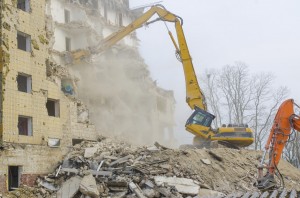
Did you know that up to 90% of the materials recovered in a demolition are recycled, salvaged, or reused?

Demolition involves a series of complex tasks such as structural dismantlement, site clearance, environmental remediation, salvage, recycling, industrial recovery and more. As a highly sophisticated craft, demolition requires experts who have specialized training and equipment in order to be carried out safely and effectively. Here are the answers to a few frequently asked demolition questions. (more…)

The Difference Between Limestone and Marble

Thursday, October 13th, 2016
limestone and marble

Marble is a metamorphic rock, the result of a transformation of pre-existing rock.

For centuries, limestone and marble have been used to create man-made monuments and structures. The Great Pyramid of Giza was one of the first architectural marvels crafted with limestone. So what exactly is the difference between limestone and marble? Here’s a look into what makes these stones so unique. (more…)

Repair or Replace Concrete Sidewalks Before Halloween

Thursday, October 6th, 2016
concrete sidewalks

Make sure your concrete sidewalks are safe for trick or treaters this Halloween.

Does your home or business see a lot of traffic from trick or treaters? Concrete sidewalks and walkways that are chipped, sunken, even, or otherwise in a state of disrepair are not only an eyesore that can damage the visual appeal of your property, but also a safety hazard. Consider repairing your sidewalk before Halloween swings around. (more…)

Do I Need Mortar Analysis?

Wednesday, September 28th, 2016
mortar analysis

Mortar analysis is necessary to find a matching mortar for repointing historic structures.

Repointing involves the application of mortar between masonry units. When mortar between masonry joints cracks or spalls, a repointing procedure may be necessary. However, when preparing to repoint a historic masonry structure you may first need to have the mortar analyzed by a professional. A mortar analysis helps find a matching mortar and correct properties needed to prevent the surrounding mortar from being further damaged. If an inappropriate mortar is used, it can actually accelerate the rate at which the masonry deteriorates instead of preserving it. A small investment in mortar analysis can save you a ton of money on the overall life of a project. (more…)

A Brief History of the Masonry Craft

Wednesday, September 21st, 2016
parthenon

The Greek Parthenon is one of the oldest masonry structures.

As one of the oldest building techniques known to man, masonry construction has a long and rich history. Masonry has provided humans with protection from the elements, and helped to establish long-term dwellings. Despite how ancient the masonry craft is, it remains a widely popular and useful technique for construction in modern society. (more…)

Selecting the Right Type of Masonry Mortar Cement

Wednesday, September 14th, 2016
Every masonry project is going to call for a different type of mortar cement.

Every masonry project is going to call for a different type of mortar cement.

Choosing the right products is an essential part of any masonry project, and mortar cement is no exception. Mortar cement is what acts as the bonding agent for bricks and other building materials. It’s essentially what’s holding your project together, so you’ll want to choose mortar that will stand the test of time. Here are a few types of mortar cements you’ll want to consider. (more…)

Periodic Inspection and Maintenance for Brick Masonry Walls

Friday, September 9th, 2016
brick masonry walls

Brick masonry walls are durable, but still need inspection.

While brick masonry walls are long lasting and durable, it is still important not to overlook their regular inspection and occasional maintenance, if it is required. Regular inspection will help you identify problems, and especially get a handle on small problems before they develop into large expensive ones. With regular inspection you avoid unpleasant surprises. (more…)

Concrete Considerations: Building Houses with Concrete

Thursday, September 1st, 2016
concrete houses

Concrete is becoming an increasingly popular building material.

Concrete has become increasingly popular as a construction material for residential houses. In 2015, concrete houses made up of 15-20% of all new homes built. Concrete comes with a number of benefits that make it ideal to work with for housing development. Here are a few things to consider when choosing to build with concrete, and why it could be a good home addition investment.

Quiet Comfort

Insulated concrete creates a barrier that reduces the amount of air entering the home from outside by about 75%. This means more even temperatures and less drafts. Concrete’s mass also helps to reduce sound penetration by up to 80% in comparison to frame houses. On average, concrete houses are ⅔ quieter than frame houses.

Pest Proof & Safety

Unlike frame houses, concrete doesn’t provide any source of food for termites or carpenter ants. This will also prevent rodents from hiding within your walls. Furthermore, concrete is also the best material for safety against harsh weather like tornados and hurricanes. Concrete walls can withstand up to 250 miles per hours. Insurance rates are typically much lower for conrete homes as a result of their stability.

Reduced Energy Bills

Concrete homes require significantly less energy to heat up or cool down than a frame house. Concrete walls are airtight and do an effective job at preventing air from escaping the home. Concrete homes keep things comfortable with less work from your air conditioning system.

Healthier Environment

Because concrete form walls do not contain organic material, they will not mold or mildew. Not only does that mean less maintenance, but the reduced air infiltration also helps keep allergens out. The foam used to create concrete forms is nontoxic and free of asbestos and fiberglass. Concrete houses come with many benefits. Whether you’re looking to build a house or just an extension, it’s important to consider all of your options.

Concrete Masonry and Repair from Del Prete Masonry

For all of your questions regarding masonry repair and restoration, feel free to contact Del Prete Masonry. Our masonry restoration professionals have the experience and history of satisfied clients to prove that we’ll get the job done right, and cost-effectively. To get started with your masonry restoration project, please contact our office today at 410-683-0650 or email us at mike@delpretemasonry.com. We serve Baltimore City, County, Harford County, Carroll County, Anne Arundel County, and Howard County.

Keep up with our blog for masonry related information, and follow us on Facebook, Twitter, and Google+! 1

What’s Involved in the Brick Repointing Process

Thursday, August 25th, 2016
brick repointing

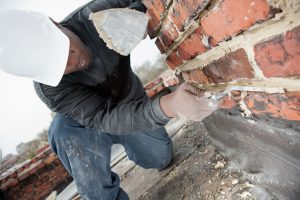
Smoothing the mortar is the most delicate part of the brick repointing process.

When mortar deteriorates it needs to be removed from the joints of a brick wall and replaced with new mortar. This process is called brick repointing. Brick repointing jobs involve four major steps: preparing the joint, mixing the mortar, filling the join with mortar, and finishing the joint. (more…)

Why Masons Are More Than Just Bricklayers

Wednesday, August 17th, 2016
masons

Masons can employ advanced bricklaying techniques.

Mason and bricklayer are two commonly confused titles. While these two professions do overlap in some of their duties and requirements, the hard truth is that not all bricklayers are masons. Most of it comes down to skill level. Typically, masons employ much more advanced bricklaying techniques that differentiate them from the average bricklayer. (more…)