13548 Jarrettsville Pike | Phoenix, MD 21131 410.683.0650
  • facebook
  • twitter
  • youtube
  • pinterest
  • rss

Author Archive

The Steps to Preparing Your Site for Masonry Construction

Friday, October 26th, 2018

Excavating is the process of digging up any necessary dirt to prepare your site for masonry construction!

A new construction project is a big investment and requires a lot of planning and preparation. A commonly overlooked step in the construction process is preparing the actual site. You may think that starting construction is as easy as picking an empty lot and starting to build, but that is not the case. Here are the steps to preparing your site for masonry construction.

Rough Staking

This is the process of laying out the masonry construction project. This is an important step because it costs money to clear out a construction site, so it will save both time and money to know what needs to be done in advance. Rough stakes look like long sticks that are put into the ground to outline the area where the masonry construction will take place. This gives you and your masonry contractor an idea of what space they are working with.

Clearing

After the site is rough staked, the next step is to clear everything and make room for construction. Trees, roots, vegetation, and anything else that may be in the way need to be cleared. When clearing a spot, you must decide what to do with the debris. The easiest option (also the most expensive) is to hire someone to haul it away, but you could also opt to bury or burn it.

Excavation

If your masonry building is going to have a basement, then the ground will need to be excavated to accommodate for that. You will need to consider what to do with the excess dirt that is dug out of the ground. You may choose to use the dirt to fill in areas on the property that could use more dirt.

Rough Grading

Rough grading is when you shift dirt around to get the desired grade level that you want for your masonry construction project. When you do this, be sure to consider any drainage needs for the building. The best way to do rough grading is to cut and fill evenly in order to avoid those expensive hauling costs. This simply means that you want to use dirt you already need to dig up to fill open spaces and vise versa.

Contact Del Prete Masonry Today for Your Masonry Construction Project!

Whether you are ready to start your next masonry project or are still hesitant and have questions, Del Prete Masonry is here to help. We have the experience and expertise to get it right the first time. Questions? Want to visit some of our residential or commercial projects? Ready to set up a consultation? Feel free to give us a call at 410-683-0650 or visit us online. We are happy to serve Baltimore City and County, Harford County, Carroll County, Anne Arundel County, and Howard County. To see examples of our work and to keep up with our new and exciting projects, be sure to Facebook, Twitter, Google+, and Pinterest.

A Guide to Repairing Damaged Mortar Joints

Friday, October 19th, 2018

The mortar joints are what hold brick masonry together, so you want to fix them if you come across any damage!

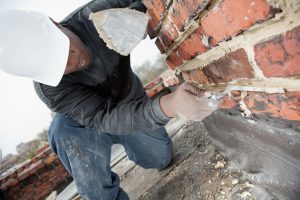
Do you have old masonry walls or chimneys in need of repair? The crumbling mortar joints of an otherwise beautiful brick wall can make it a real eyesore. But with the right tools and a heaping serving of patience, anyone can learn tuckpointing (or pointing or repointing). If your walls are beyond simple repair and need restoration, follow this guide, and breathe new life into your old masonry.


Tools And Materials

Before you dive into this project, make sure you have everything that you’ll need to do it right. You’re going to need the mortar mix to replace the old crumbling mortar (be sure to get the right type), and a whisk broom, wall trowel, tuckpointing trowel, and mortar finishing tool. You’ll also need an angle grinder, flat chisel, and hammer for digging out the old stuff. Finally, make sure you have safety equipment: a dust mask, rubber gloves, and safety glasses.


The Repair Process

The mortar joints are the most flexible (and weakest) parts of brick work, so they are the most prone to deterioration. Any water and ice that seeps into them and the temperature expansion they experience over the years eventually causes the mortar joints to break down. The first step in repairing the joints is to chip out old mortar with a chisel and hammer, or for really hard spots, the angle grinder (be careful, this heavy duty tool can easily chip the brick). Remove 3/4 to 1 inch of old mortar or enough to get a solid brick base to bond the new mortar.


Next, clean out the new cavities with the whisk broom (compressed air would also work), then mist them with water. Mix your mortar carefully according to the instructions; it should have a stiff but not crumbly consistency. Fill the horizontal joints first and the vertical joints last. Load the prepared mortar onto the brick trowel and push it into the joint cavity ¼ inch thick slivers at a time using the tuckpointing trowel. The work is slow, so mix small batches of mortar so it doesn’t dry out. Finish the joint with the appropriate tool that matches the current joint profile. Finally, clean the bricks with a soft bristle brush to remove any mortar chunks on the brick face.


Contact Del Prete Masonry for Your Demolition Needs

Whether you are ready to start your next masonry project or are still hesitant and have questions, Del Prete Masonry is here to help. We have the experience and expertise to get it right the first time. Questions? Want to visit some of our residential or commercial projects? Ready to set up a consultation? Feel free to give us a call at 410-683-0650 or visit us online. We are happy to serve Baltimore City and County, Harford County, Carroll County, Anne Arundel County, and Howard County. To see examples of our work and to keep up with our new and exciting projects, be sure to Facebook, Twitter, Google+, and Pinterest.


Which Type of Natural Stone Masonry is Best for Your Next Project?

Friday, October 5th, 2018

Natural stone masonry adds a classic, elegant look to any building or structure!

Obviously, with any hardscaping project, there is a large amount of planning that goes into it. You have to choose a location in your landscape for the project, materials to use, and figure out what exactly you are trying to add to your yard. It is always a good idea to consider adding taste of natural stone masonry to your landscape. If you already know that you are opting for a project involving natural stone masonry, then the only questions really left to ask is, which type of natural stone masonry? Well, there are  two main types of natural stone masonry: rubble and ashlar. Hopefully some light can be shed as to which one is right for you.

Rubble masonry

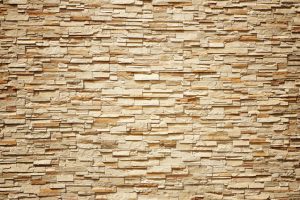
Rubble masonry is one of the oldest kinds of natural stone masonry. This type of natural stone masonry takes advantage of undressed stones whose appearance reminds you of building rubble for design purposes. It is not the most structurally sound form of natural stone masonry, but it is a fantastic way to draw in one’s eyes to the structure.

One type of rubble masonry is random rubble masonry. This form of natural stone masonry uses cheap, undressed, raw materials that can fit properly together when hammered together. There is also square rubble masonry that takes the rough-hewn look of rubble masonry and squares the face stones of the natural stone masonry project.

Ashlar masonry

Ashlar masonry is the more expensive type of natural stone masonry between the two. The price is well paid though as it utilizes dressed stones, lined up parallel to one another to create a refined, structurally sound shape. This is done similar to a traditional brick structure, as the stones are leveled amongst one another, and then laid in either cement or lime mortar.

A popular form of ashlar masonry is the rough tooled style. This manner of ashlar masonry smooths out the sides and beds while making the face rougher to make it more eye-catching with its coarse surface. There is also chambered ashlar masonry which can create an added dimension to your natural stone masonry that other masonry styles cannot quite replicate.

Contact Del Prete Masonry Today for Your Construction Needs!

If you are ready to upgrade your home or commercial building with professional masonry installation or replacement, Del Prete Masonry has the experience and expertise to get the job done right for the right price. To explore our residential and commercial services and set up a consultation, please give us a call at 410-683-0650 or contact us online. We currently serve Baltimore City and County, Harford County, Carroll County, Anne Arundel County, and Howard County. To see examples of our work and get more updates, follow us on FacebookTwitterGoogle+, and Pinterest

Tips for Taking Care of Your New Masonry Structure

Friday, September 21st, 2018

A new masonry structure can add a lot of appeal and character to any building, so you want to keep it looking new for as long as possible!

Getting a new structure built for your home or business is very exciting. Because you are probably going to invest a good amount of money into your new masonry structure, you want it to last as long as possible. The best way to do this is to take proper care of it. Here are some tips for taking care of your new masonry structure.

Cleaning Materials

Your masonry structure does not require extensive maintenance, but cleaning it every so often is a good way to keep it looking new. You want to make sure that you are using mild cleaners that are safe and effective for the masonry materials. Avoid using harsh chemicals when cleaning your structure because it can cause it to deteriorate early or become discolored. You also want to avoid things like sand blasters because the impact can cause damage to your new masonry structure.

Patience is Key

The excitement of having a new masonry structure may make you want to clean and care for it every single day. While this is a good mindset to have, you don’t want to overdo it. It is best to wait about a month or so before cleaning the structure at all. This gives the mortar a chance to cure and set completely. If you begin to clean it too early, it can cause joint damage because the mortar will get messed up.

Weather Conditions

It is best to clean your new masonry structure when the weather is warm. Cleaning your structure in the cold weather can actually do a lot more harm than good. If you do need to clean it in the fall or winter, be sure to take the proper precautions. There is an entirely different procedure used to clean masonry when it’s cold versus when it’s warm.

Contact a Professional

If you are unsure of the proper way to clean your new masonry structure, don’t ever hesitate to contact a professional. A professional masonry contractor will have the knowledge and tools required to ensure that your new masonry structure is cleaned and cared for properly.

Contact Del Prete Masonry Today for Your Construction Needs!

If you are ready to upgrade your home or commercial building with professional masonry installation or replacement, Del Prete Masonry has the experience and expertise to get the job done right for the right price. To explore our residential and commercial services and set up a consultation, please give us a call at 410-683-0650 or contact us online. We currently serve Baltimore City and County, Harford County, Carroll County, Anne Arundel County, and Howard County. To see examples of our work and get more updates, follow us on Facebook, Twitter, Google+, and Pinterest

The Important Questions to Ask When Hiring a Masonry Contractor

Friday, September 14th, 2018

When looking for a masonry contractor, it is important to ask questions about their expertise and experience!

When you are looking for a masonry contractor for your next project, you want only the best. It can be difficult to sort through a number of possible contractors and try to figure out which one will give you the best quality for your money. When are you looking for a masonry contractor, here are some of the important questions you should ask to help narrow down your decision.

Certifications

The first thing you want to do is make sure the masonry contractor you want to hire is certified. This shows that they are legally certified to do the job that you want. If a contractor can’t provide you with their license or certification, cross them off of your options list.

Experience

The type of experience you want your masonry contractor to have varies depending on the specifics of your project. If you know that you want to use brick, you should ask about their experience with brickwork. You also want to inquire about their experience with cutting and laying different patterns so that you know if they can recreate your exact vision.

Time Frame

You want to have your design ideas together when talking to potential contractors so that they can give you a timeframe of how long it’ll take them to finish. If you have a specific time frame that you need it completed by, make that clear in the beginning so that you know your masonry contractor can get the job done by then.

References

One of the best ways to figure out about a masonry contractor is to look up reviews and get references. If a family or friend went to the same contractor, ask them about their experience. They are a lot more likely to give an honest opinion over the contractor that’s trying to sell you their services. Online reviews are also a good way to get more insight about a company. You can ask the contractor directly for references of their past clients and projects.

Insurance

Inquiring about insurance is just as important as making sure the contractor is licensed and certified. Insurance is crucial because if something goes wrong during the construction process, you want to be protected financially. If they do not have insurance, do not even consider them.

Contact Del Prete Masonry Today for Your Next Construction Project!

If you are ready to upgrade your home or commercial building with professional masonry installation or replacement, Del Prete Masonry has the experience and expertise to get the job done right for the right price. To explore our residential and commercial services and set up a consultation, please give us a call at 410-683-0650 or contact us online. We currently serve Baltimore City and County, Harford County, Carroll County, Anne Arundel County, and Howard County. To see examples of our work and get more updates, follow us on Facebook, Twitter, Google+, and Pinterest.

The Benefits of Using Concrete Brick for Construction

Friday, September 7th, 2018

Concrete brick gives you the same classic look of traditional brick with more durability!

When you’re choosing materials for your next construction project, you should make sure that concrete brick is on your list of options. As the brick making industry has evolved, concrete brick has become a standout option thanks to its durability, appearance, and functionality. It offers all of the classic looks of traditional bricks but with significant advances in construction. Today we’ll go over a few of the reasons that concrete brick has become number one.

Enhanced Colors and Textures

One of the most significant benefits of concrete brick is that with modern technology, the color and texture can be altered to create almost any appearance. If you choose a colored option, the color is consistent throughout the brick, meaning that in case of chipping after installation, there are no color discrepancies.

Readily Available

The easy construction of concrete brick means that it can be made quickly to order, so tight deadlines can be met quickly. Often times, there is also enough pre-made to allow for immediate pickup and project startup.

Consistency

Because of the manufacturing process, which allows it to be cured in a form, concrete brick maintains a consistent, uniform size. Not only does this make for a professional, beautifully crafted appearance, but it means that any construction done with a concrete brick will have a consistent, smooth installation. The form allows for both sides of the brick to be used which means you will have less waste. 

Highly Durable

If you’re looking for strong, durable construction that will last for decades, concrete brick should be at the top of your list. Concrete brick is designed for high strength and will withstand even the most excessive wear and tear. Not to mention, it can’t rot and will be less likely to crack or fracture.

Contact Del Prete Masonry Today for Your Next Construction Project!

If you are ready to upgrade your home or commercial building with professional masonry installation or replacement, Del Prete Masonry has the experience and expertise to get the job done right for the right price. To explore our residential and commercial services and set up a consultation, please give us a call at 410-683-0650 or contact us online. We currently serve Baltimore City and County, Harford County, Carroll County, Anne Arundel County, and Howard County. To see examples of our work and get more updates, follow us on Facebook, Twitter, Google+, and Pinterest.


Why Masonry Materials are Best for Your Construction Project

Thursday, August 30th, 2018

Whether you want to construct a new building or just a small structure, masonry materials are the best option.

There are many reasons why masonry materials are admired as high quality and high class in the world of construction and architectural design. From its beauty to its structure, these materials go down is history for its use in many famous structures. While it’s true that, depending on the circumstances, it makes sense to use other materials; when appropriate, discover all the benefits of using masonry materials for your construction project.   

Strength

The strength of masonry materials only grows as time progresses. Construction projects that are completed with masonry materials are known for being structurally sound, rigid, and dependable for longer than other options. This isn’t just years down the line; decades later you’ll still find masonry structures maintaining the same amount of strength and integrity. This is even true of structures that have withstood damage from natural disasters. The most disaster-resistant homes and buildings have masonry materials to thank for their resilience. When paired with a poured concrete foundation, the durability is unmatched.    

Beauty

It’s true that many people have different views and definitions of what beauty is, however, masonry materials are known for their timeless charm. In modern day, the trend leans toward using materials that are the quickest to construct and the cheapest to budget. When those projects are completed, the difference is inevitable. Using masonry materials is an investment into the elegance and refinement of the structure.     

Value

It’s often the case that people overlook masonry materials out of fear that they will completely blow their budgets. However, when you think about value, you should consider the larger picture. If you prioritize investing in high-quality materials that are higher priced than other options, that immediately translates into more return for your investment when it’s time to sell. Not only that but because these materials are so dependable, you’ll find that overtime you won’t spend as much in maintenance and upkeep costs.  If you invest more in the beginning, you are more likely to see high dividends and bigger savings in the end.

Contact Del Prete Masonry Today for Your Next Masonry Project

If you are ready to upgrade your home or commercial building with professional masonry installation or replacement, Del Prete Masonry has the experience and expertise to get the job done right for the right price. To explore our residential and commercial services and set up a consultation, please give us a call at 410-683-0650 or contact us online. We currently serve Baltimore City and County, Harford County, Carroll County, Anne Arundel County, and Howard County. To see examples of our work and get more updates, follow us on FacebookTwitterGoogle+, and Pinterest


The Benefits of Using Natural Stone for Your Masonry Project

Friday, August 24th, 2018

Natural stone is an eco-friendly material that gives any building or structure an elegant, timeless look!

When it comes to your next construction project, there are a lot of masonry materials available to give your building or structure a timeless look and a long lifespan. Deciding which material to use can be tough, but it is a really important decision to make. Natural stone is one of nature’s creations and adds a beautiful look to any building. Here are the benefits of using natural stone for your masonry project.

Environmentally Friendly

Most construction materials are synthetic, but natural stone is simply a product of the earth. Using this material for your masonry project doesn’t require any type of energy use or power to create it. This means that absolutely no pollution is generated when natural stone is create, which definitely helps to reduce your carbon footprint. Natural stone also has a thermal mass that allows it to naturally insulate, meaning you will save some money on those costly energy bills.

Durability

When it comes to your construction project, you want the materials used to be sturdy so that the building or structure lasts for years to come. Natural stone is great for this because it is essentially a rock, which are known to have indestructible qualities. Stone is able to withstand all types of weather elements including hail, winds, snow, and even fire and extreme heat. When you use it for interior elements, it isn’t easily scratched or burned.

Healthy Option

Because natural stone isn’t made from any synthetic materials or harsh chemicals, it is also a better option health wise. When you are using natural stone for a building or for interior structures, it helps to lower our chances of ingesting dangerous chemicals. This is something we may not even think twice about most of the time, but ingesting chemicals from construction materials can have long-term health effects.

Saves Money

Natural stone will definitely be quite a big investment initially, being one of the more expensive material options. However, it is well worth the investment and can actually end up saving you money in the long run. Because of its durability, you don’t have to worry about repairing a lot of damages or replacing your structures. A cheaper material may save you money initially, but it can really start to add up later when you have to constantly pay for repairs. In addition, breathing in harsh chemicals from synthetic materials can lead to a few doctors trips, which surely aren’t cheap. Investing in natural stone decreases the possibility of both of these scenarios occurring.

Contact Del Prete Masonry Today for Your Next Construction Project!

If you are ready to upgrade your home or commercial building with professional masonry installation or replacement, Del Prete Masonry has the experience and expertise to get the job done right for the right price. To explore our residential and commercial services and set up a consultation, please give us a call at 410-683-0650 or contact us online. We currently serve Baltimore City and County, Harford County, Carroll County, Anne Arundel County, and Howard County. To see examples of our work and get more updates, follow us on Facebook, Twitter, Google+, and Pinterest.


Cement, Concrete, and Mortar, Oh My!

Friday, August 17th, 2018

Cement is an element that is contained in both concrete and mortar and is made up of limestone, clay, shells, and silica sand.

When it comes to masonry construction, there are a variety of different materials used in the process. From the actual building materials to the materials used to hold everything together, it can be really confusing. Cement, concrete, and mortar are terms that are often used interchangeably and they all resemble each other. However, they are very different. Here is the difference between cement, concrete, and mortar.

Cement

Cement is actually a component of both concrete and mortar. It is a binding material that is never used alone and is made up of limestone, clay, shells, and silica sand. These materials are crushed, combined with other ingredients, and heated. The final product is then grounded into a powder that is cement. The most common type of cement is Portland cement, which sets and hardens when combined with water.

Concrete

Concrete is a stand alone building material that doesn’t have to be combined with anything else. It is made of cement, sand, and gravel and is used for things like foundation walls, patios, and other masonry structures. Concrete is more versatile than the other two because it starts as a dry mixture and turns into liquid that can mold into any shape before it dries into concrete. The cement in the concrete is what allows it to activate when mixed with water and binds the mixture together to form one object.

Mortar

Similar to concrete, all you have to do is add water to mortar to activate the cement and allow it to harden. However, mortar is only made up of cement and sand. Because of this, it isn’t as strong as concrete so it isn’t often used as a stand alone building material. Instead, it is more so used as a glue to hold masonry materials together such as bricks, block, and stone. There is a special type of mortar known as thinset that can hold together tiles.

Contact Del Prete Masonry Today for Your Construction Project!

If you are ready to upgrade your home or commercial building with professional masonry installation or replacement, Del Prete Masonry has the experience and expertise to get the job done right for the right price. To explore our residential and commercial services and set up a consultation, please give us a call at 410-683-0650 or contact us online. We currently serve Baltimore City and County, Harford County, Carroll County, Anne Arundel County, and Howard County. To see examples of our work and get more updates, follow us on Facebook, Twitter, Google+, and Pinterest.

The Different Types of Masonry Walls

Thursday, August 9th, 2018

Masonry walls give your building the strength that it needs while also helping to control the temperature inside!

The strongest aspect of a building is its walls. The walls of a building are what keep it standing and give it the strength and durability that it needs. Using masonry materials for walls helps to make them even stronger while also helping to control the temperature inside of the building. Here are some of the different types of masonry walls so that you know which is best for your next construction project.
Load Bearing

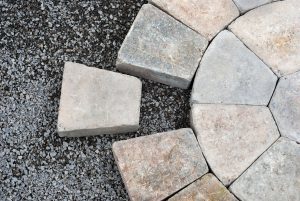
These masonry walls are typically made with stone, cement, or concrete blocks. They are made to hold the weight that transfers from the roof to the building’s foundation. Load bearing walls are used for both the interior and exterior of a building and are more economical compared to walls with framed structures.
Hollow

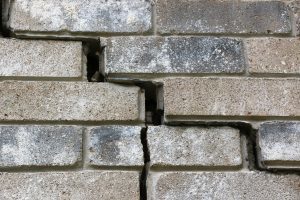
Hollow masonry walls help to keep moisture from getting into the building by putting space between the outside and inside of the wall. The space that is in between the walls keeps heat from getting through the walls, hence helping to better regulate the temperature inside the building. If moisture does get inside the walls, the hollow part will allow it to easily drain downward and out.

Composite

Two or more different units are used to construct composite masonry walls. Typically, a unit is either stone and hollow bricks or bricks with hollow bricks. They take multiple wythes of masonry (a section of masonry that’s one unit in thickness)  and bond them together to form the wall. These walls provide a really nice look and are also economical.

Post-Tensioned

These masonry walls are built to withstand very strong forces and weather conditions such as earthquakes and strong winds from tornadoes and hurricanes. Post-tensioned masonry walls have rods that run straight through the core of the masonry units. Once the walls are finished, the rods are then tensioned and attached to the steel that is at the top of the masonry walls.

Contact Del Prete Masonry Today for Your Masonry Walls

If you are ready to upgrade your home or commercial building with professional masonry installation or replacement, Del Prete Masonry has the experience and expertise to get the job done right for the right price. To explore our residential and commercial services and set up a consultation, please give us a call at 410-683-0650 or contact us online. We currently serve Baltimore City and County, Harford County, Carroll County, Anne Arundel County, and Howard County. To see examples of our work and get more updates, follow us on Facebook, Twitter, Google+, and Pinterest.