13548 Jarrettsville Pike | Phoenix, MD 21131 410.683.0650
  • facebook
  • twitter
  • youtube
  • pinterest
  • rss

Author Archive

How to Create Stunning Hardscaping, Part 1

Friday, January 15th, 2016
hardscaping tips

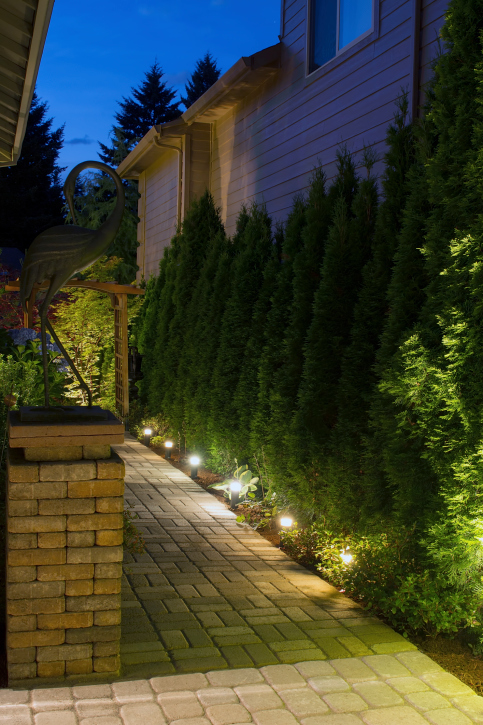
Aren’t you glad you planned ahead for this beautiful stone walkway?

Adding some professional hardscaping to your commercial property can greatly increase your property’s appeal and value. Research really pays off when it comes to planning a hardscaping design. You want to keep in mind the unmovable elements of your property, as well as other aspects that should factor into your design. Jumping into a hardscaping project with little planning can result in a design that is defunct after only a few years. Here’s what to keep in mind when you’re planning out your hardscaping design. (more…)

Should I Paint My Brick Wall?

Tuesday, January 5th, 2016
Paint Brick Wall

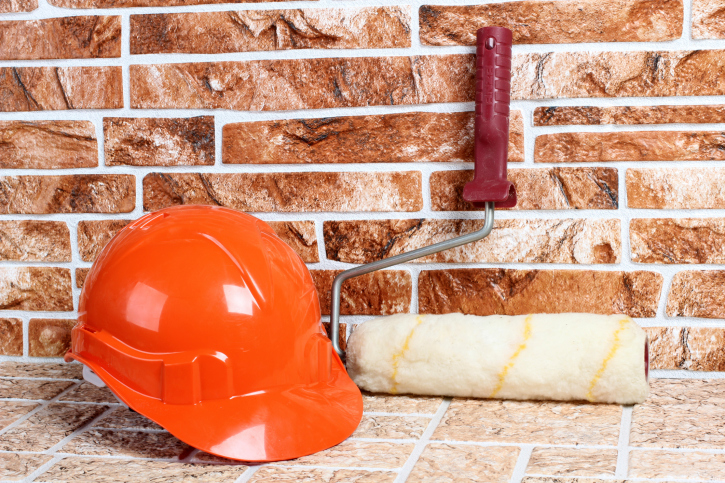
Painting a brick wall can be a serious undertaking — be read to get your hands dirty!

Ooh, exposed brick! How lovely! But might it look even lovelier with a gleaming new coat of bright white paint? Oh, the possibilities! Ultimately, the choice is up to you whether you want to maintain the beautiful and rustic clay color or make your brick surfaces stand out from the rest with a fresh coat of paint. The best we can offer is some advice before you take on the project. (more…)

What are the Environmental Benefits of Concrete Restoration?

Thursday, December 31st, 2015
concrete restoration

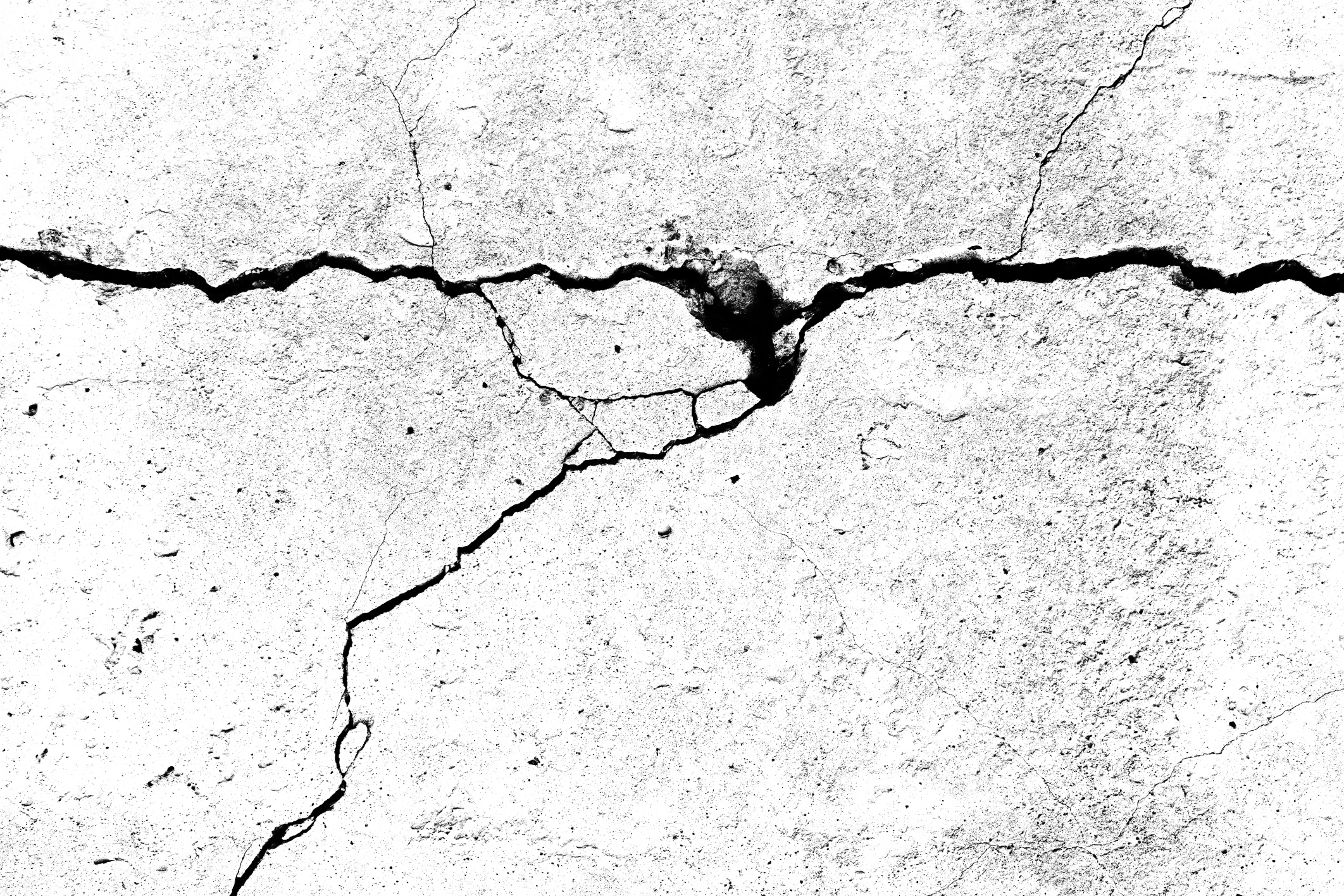
Cracked concrete? It might be time for concrete restoration.

Masonry restoration projects can require large amounts of time and energy depending on the size, scope, and, intricacy and materials involved in the undertaking. This is when concrete masonry can be highly effective as a low cost and energy-saving method to fulfill all of your restoration needs. Concrete restoration comes with a number of environmental benefits as well, which you can expect and enjoy for your next building project.   (more…)

How to Clean Interior Brickwork

Friday, December 18th, 2015
Cleaning Interior Brickwork

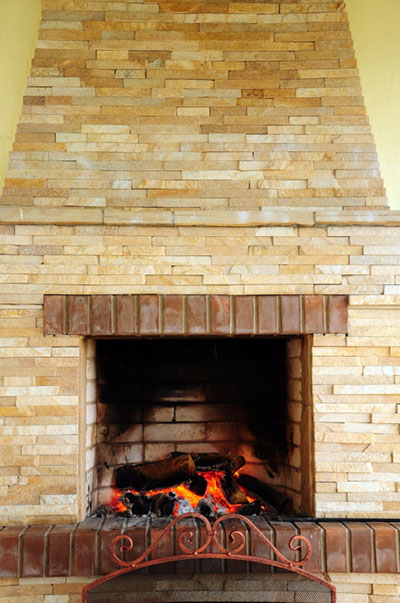
Make sure that you are cleaning your interior brickwork safely!

You may have read our blog on cleaning exterior brickwork. The methods listed there are great for cleaning walls and walkways outside, but if you’re planning on cleaning inside brickwork, you’ll need to follow a different set of instructions. DelPrete Masonry is here to help you keep all of your brickwork looking as clean and new as possible! You may have a fireplace in your home that you’re thinking of firing up to use for roasting marshmallows or making popcorn. Or perhaps you have a rustic brick wall in your kitchen that needs a good cleaning. When brickwork is in your home, it’s both important to keep it clean as well as use safe cleaning methods. Follow these methods to have pristine, safe interior brickwork! (more…)

Benefits of a Masonry Table Saw

Friday, December 11th, 2015

Craftsman working with stone

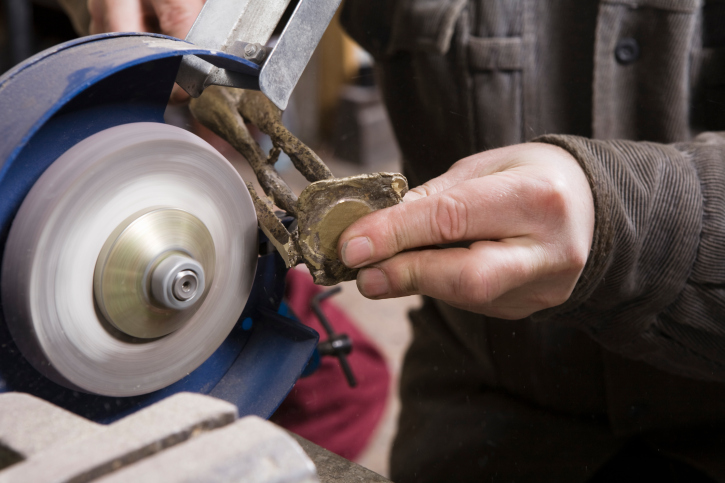
Last week we talked about what is in a mason’s toolkit (trowel, hammer and chisel, power saw, level), but not all tools are created equally. When it comes time to cut through the toughest materials, you have more than one option. Your choices include a right angle grinder, cut-off saw, paver saw, handheld power saw or a full-size masonry table saw. All of these tools should be used with extreme caution. But what benefits does a masonry table saw hold when stacked against your other options?


(more…)

What’s in a Mason’s Basic Toolkit?

Friday, December 4th, 2015
basic masonry toolkit

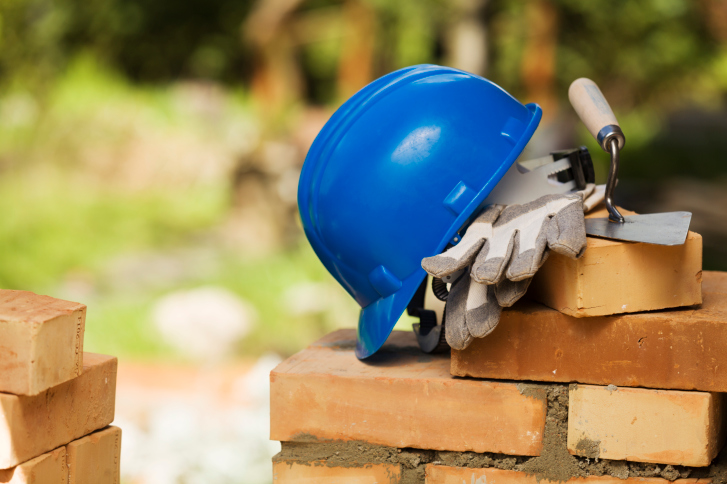
There are a handful of tools that you’ll find in every mason’s toolkit.

You may have wondered what tools a mason needs to create a wall or a walkway. Whether you are a masonry enthusiast or just plain curious, we can share with you the tools of our trade. Read on to learn what tools a mason uses to lay level bricks, make mortar, and cut concrete.

Trowel

You’ll never catch a mason without his trusty trowel. Trowels are used for applying mortar and come in two varieties: London and Philadelphia. The difference between these two types of trowels is just the subtle shape of the blade; each one is just as good as the other for handling mortar. A larger trowel will most likely be used to apply mortar to new bricks and stones. A smaller trowel is great for the delicate work of repairing old mortar joints and scraping off excess mortar. (more…)

How to Clean Exterior Brickwork

Sunday, November 22nd, 2015


Cleaning Brickwork

If your brickwork looks like it needs a good cleaning, make sure that you’re using the safest and most effective cleaning methods!

Bricks can be either sealed or unsealed; of course, unsealed bricks require more maintenance to keep up their appearance. Exterior bricks especially should be cleaned regularly. With winter approaching, exterior bricks easily build up salt, dirt, and grime. Make sure that your brickwork is looking its best with our cleaning tips.

Bucket and Brush Method

The bucket and brush method of cleaning is the most widely used and efficient means of cleaning brickwork. It does not require advanced equipment or skill, and it is easy and quick. Here are the steps required to clean your brickwork with this method:

  • If your masonry is brand new, wait at least a week to give it its first cleaning. Use a scraping tool to rough away any hardened particles of mortar.
  • Use a generous amount of water to saturate the brick wall. This will ensure that the wall does not develop any stains from cleaning, as dry bricks absorb dirt into their brick pores. Using a regular hose, and make sure all the bricks as well as the base of the masonry is drenched.
  • Starting from the top, use a long-handled fiber brush to scrub cleaning solution onto the bricks. Sure Clean, Goldblatt Brick Bath, and Superior 800 series are all good choices for cleaning solutions. Be sure to ask your professional mason for their recommended ratios of solution to water.
  • After scrubbing, allow the solution to sit and soak for three to six minutes. After soaking, wash off with the hose. Make sure that you’re washing only small parts of the brickwork at a time, rather than the entire wall or walkway. This will ensure that the bricks don’t dry and absorb stains that are impossible to remove.
  • Tip: if your bricks are old and weathered, a better way to clean them is to simply use a duster or broom to sweep off dirt and grime. If you think your old bricks can withstand a tougher cleaning, start by testing a small corner first.

Keep Your Masonry Looking Good with Del Prete Masonry!

While there are many other materials that we use at Del Prete Masonry, we’re not about to abandon concrete anytime soon. It has proven its worth many times over and we know that we can bring you a solid masonry structure with it. To find out more about your masonry options including concrete masonry, please contact our office today at 410-683-0650 or email us at mike@delpretemasonry.com. We serve Baltimore City, County, Harford County, Carroll County, Anne Arundel County, and Howard County. Keep up with our blog for masonry related information, and follow us on FacebookTwitter, and Google+.

How to Properly Salt Your Steps and Sidewalks This Winter

Monday, November 16th, 2015
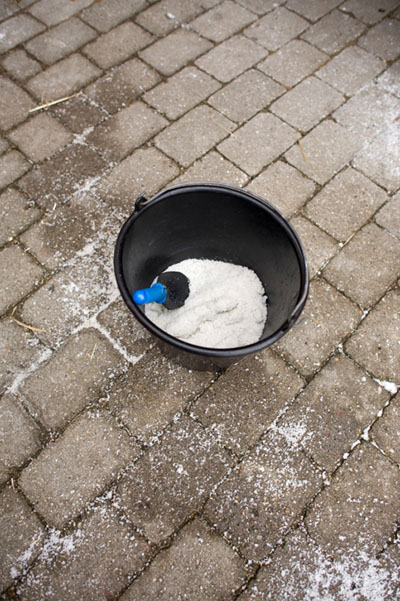
Concrete Salt

The right kind of salt goes a long way in preserving your masonry.

Sometimes a shovel does the trick to remove snow from your steps and sidewalks without damaging your masonry. But if this winter is going to be anything like last year’s, then you will probably need to use salt. De-icing products offer welcome assistance in the task of removing thick sheets of ice from walking surfaces. But these helpful de-icing products come with a catch: if you use too much of it, you risk damaging your masonry. If you repeatedly use heavy amounts of sidewalk salt, you risk the scaling and flaking of your masonry surfaces, a process which is called “salt fretting”. Salt fretting usually occurs at the base of buildings, where the building meets the sidewalks. It causes your buildings to look old and unappealing, damaging your property value. To avoid salt fretting, make sure to follow these rules.

  • If your concrete sidewalks or steps are less than 6 months old, do not use de-icing products! At this stage, the concrete is extra sensitive and prone to damage.
  • Check the ingredients list. If your de-icing product has ammonium sulfate or ammonium nitrate, don’t use it! These chemicals are extra damaging to masonry.
  • Mix your salt with sand to provide better traction for pedestrians.
  • In the spring, wash any area that had salt to get rid of the residue.
  • There are four types of deicing salts: Sodium Chloride (rock salt), Calcium Chloride, Potassium Chloride, and Magnesium Chloride. Sodium Chloride and Calcium Chloride should be avoided, because they contain chemicals that are harmful to masonry, surrounding vegetation, and human skin. Potassium Chloride and Magnesium Chloride are great choices for deicing salts, because they contain drastically fewer harmful chemicals, so they are good for your masonry, the environment, and you. With the right types of deicing salts, you’ll keep your concrete masonry looking like new!

Keep Your Masonry Looking Good with Del Prete Masonry!

While there are many other materials that we use at Del Prete Masonry, we’re not about to abandon concrete anytime soon. It has proven its worth many times over and we know that we can bring you a solid masonry structure with it. To find out more about your masonry options including concrete masonry, please contact our office today at 410-683-0650 or email us at mike@delpretemasonry.com. We serve Baltimore City, County, Harford County, Carroll County, Anne Arundel County, and Howard County. Keep up with our blog for masonry related information, and follow us on FacebookTwitter, and Google+.
Tips for DIY Brickwork

Saturday, November 7th, 2015
DIY Brickwork

When you do brickwork yourself, you want to keep certain rules in mind.

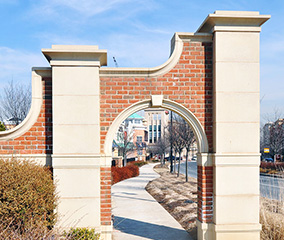
While some projects will require a professional masonry service, there are other DIY brickwork projects that the average homeowner can complete.


Of course, proper preparation is most important when planning a DIY brickwork project. But, it’s also important that you have the right tips. Listed below are a few tips from Del Prete Masonry to help you get started on your DIY brickwork projects.


Purchase the Proper Tools


Before you start any projects, you want to make sure that you have all of the tools you need to complete your brickwork project efficiently. The last thing you want to do is have to run to the hardware store or order a specialty tool right when you are in the middle of your brickwork. Some of the tools you will need for your DIY project are spades and shovels, buckets, spot boards, bricklaying trowels, tape measures, bolster chisels and a soft hand brush just to name some of the most common tools for brickwork projects.


Focus on Safety


For any DIY project, especially a masonry project, you want to make sure that you and the individuals you are working with are completely safe. During some point of your brickwork, you will most likely find the need to cut some bricks to a certain size. When you do this, make sure that you and everyone working with you has his or her safety goggles on. Goggles are just like any of the tools you use, and goggles are necessary for your DIY brickwork.


Laying Bricks


Laying bricks is an art for a professional masonry service, but you can complete a basic brickwork project with a few tips. Always make sure that when you lay bricks the vertical joints are staggered. This gives the brickwork more support and strength. Also, remember that not all bricks are going to be perfectly square, so use your best judgment on whether you feel you need to cut the bricks. For any extensive projects, make sure to work with professional masonry service to make sure your project is absolutely perfect.


Del Prete Masonry


For any questions regarding new masonry construction, feel free to contact Del Prete Masonry. Our masonry restoration professionals have the experience and history of satisfied clients to prove that we’ll get the job done right, and cost-effectively. To get started with your masonry restoration project, please contact our office today at 410-683-0650 or email us at mike@delpretemasonry.com. We serve Baltimore City, County, Harford County, Carroll County, Anne Arundel County, and Howard County. Keep up with our blog for masonry related information, and follow us on FacebookTwitter, and Google+.
 

Tips for Cold Weather Masonry

Monday, November 2nd, 2015
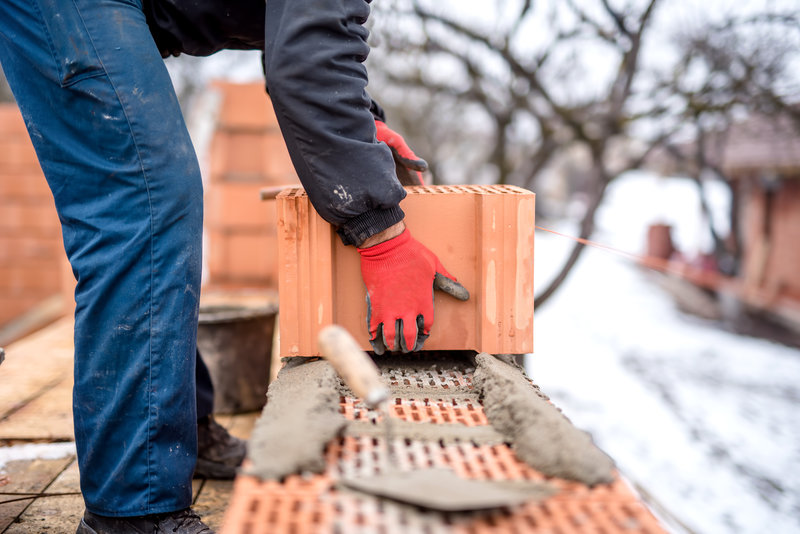
Winter Masonry

There are certain precautions a contractor makes when working in the winter.
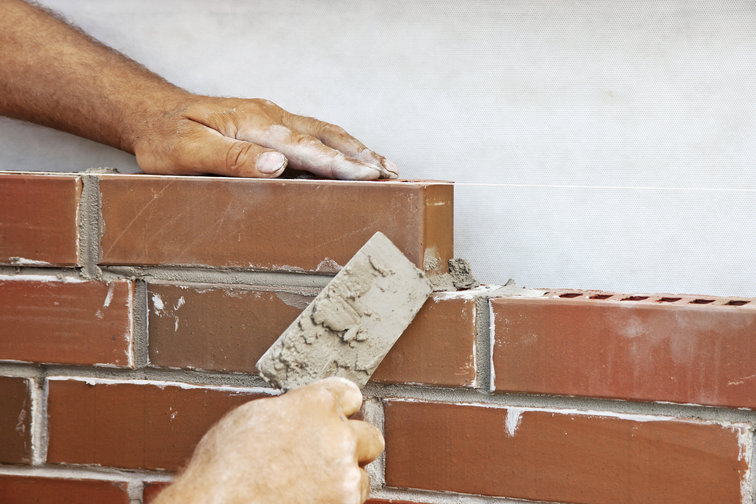
As cold weather approaches, it becomes more and more difficult to work with masonry. Working on masonry projects during the winter is still possible, but there are more considerations to keep in mind. When the weather dips below 40 degrees, the hydration in the mortar will expand and crack. The mortar can be rewetted before this happens, but if it is wetted too much, the mortar won’t stick to the unit. This is why it is better to hire an experienced, dependable contractor during the winter. An experienced contractor will know precisely how much to wet the mortar and what surface needs to be wetted. If you are looking to try your hand at a personal masonry project, waiting for warmer weather is the wisest choice. Masonry contractors, however, work year round. Here are some of the things that they look out for during the winter.

  • Speed Hydration. Many masons use speed hydration by using high-early cement or by adding an accelerator to the mortar. However, these methods do have the potential to change the color of the mortar.
  • Keep Units Dry and Warm. The best way to prevent masonry mistakes during the winter is to cover units with a tarp to protect them from rain and snow until they are ready to be used. A mason can also heat up some materials to ensure that the mortar is properly hydrated and binds correctly.
  •  Know Your Products. Many commercially available admixtures that are marketed as “antifreeze” admixtures are actually just accelerators, rather than freezing point depressants. A contractor with experience knows how to tell the difference.
  • Keep Warm. It’s important to keep the masonry units and mortar warm, but it’s even more important to keep the masons doing the work warm as well! If working in high winds, it’s advised to set up a tarp as a windbreaker. If the temperature drops to below 20 degrees, it’s advisable to set up a heater or get to a warm, indoor space.

Build Your Next Concrete Masonry Project with Del Prete Masonry!

While there are many other materials that we use at Del Prete Masonry, we’re not about to abandon concrete anytime soon. It has proven its worth many times over and we know that we can bring you a solid masonry structure with it. To find out more about your masonry options including concrete masonry, please contact our office today at 410-683-0650 or email us at mike@delpretemasonry.com. We serve Baltimore City, County, Harford County, Carroll County, Anne Arundel County, and Howard County. Keep up with our blog for masonry related information, and follow us on FacebookTwitter, and Google+.